IEA Urges Immediate Lifestyle Changes to Curb Oil Shock
The International Energy Agency has called for immediate lifestyle and policy changes, including work-from-home, reduced highway speeds and curbs on air travel to cushion consumers from a historic global oil supply shock.
The News Flicker
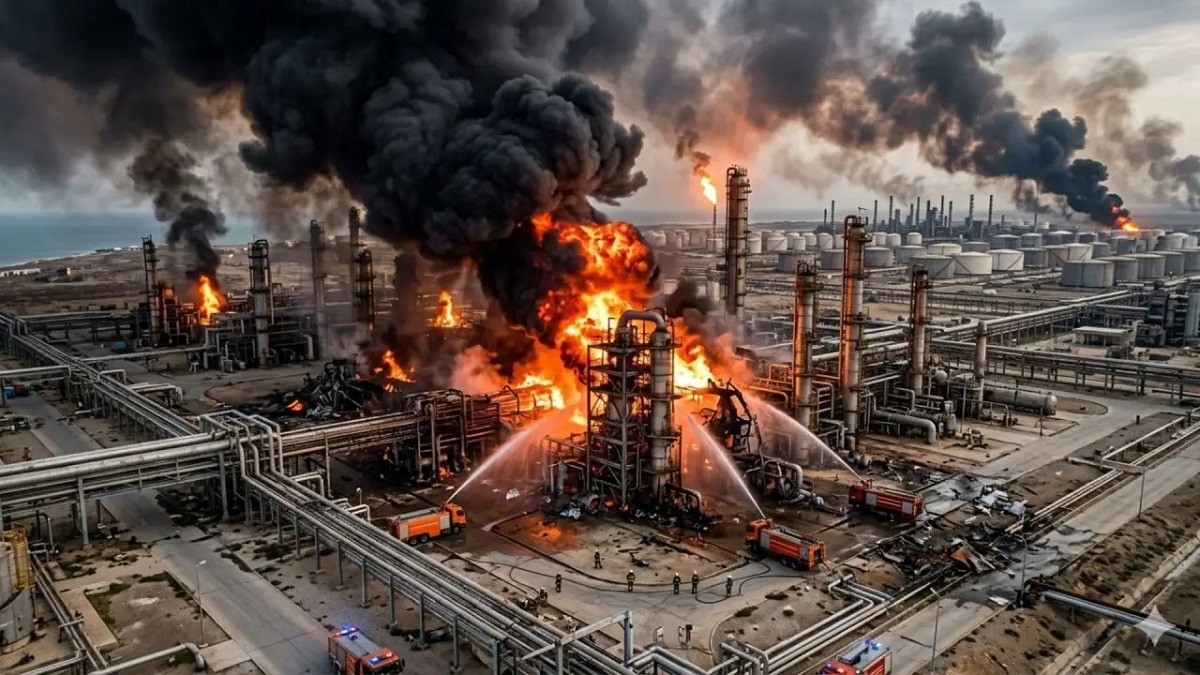
Srinagar — The International Energy Agency (IEA) has called for immediate lifestyle and policy changes, including work-from-home, reduced highway speeds and curbs on air travel to cushion consumers from a historic global oil supply shock triggered by disruptions in the Middle East stemming from the US-Israeli war on Iran.
In a new report, the Paris-based agency said the ongoing war has caused the largest supply disruption in the history of global oil markets, with shipping through the Strait of Hormuz — through which about 20 per cent of the world's oil normally flows — reduced to a near standstill.
Around 20 million barrels per day of crude and oil products typically transit the strait, including a significant share of supplies to India. With flows now slowed to a trickle, global crude prices have surged above USD 100 per barrel, while refined fuels such as diesel, jet fuel and liquefied petroleum gas (LPG) have seen even sharper increases.
For India, which imports nearly 88 per cent of its crude oil, the war poses a major macroeconomic risk, potentially widening the current account deficit, weakening the rupee and raising fuel costs. While petrol and diesel prices remain unchanged for now, LPG prices have already been hiked by Rs 60 per cylinder.
IEA Executive Director Fatih Birol said the agency has initiated the largest-ever coordinated release of emergency oil stocks, with 400 million barrels being made available by member countries. However, he cautioned that supply-side measures alone would not be sufficient to stabilise markets.
"The war in the Middle East is creating a major energy crisis," Birol said, warning that without a swift resolution, impacts on economies and households will intensify.
The agency outlined 10 immediate demand-side measures for governments, businesses and households to reduce fuel consumption and ease price pressures. Key recommendations include expanding remote work, reducing highway speed limits by at least 10 km per hour, a shift from private vehicles to public transport, and increased carpooling.
Among other steps, the report calls for limiting business air travel, improving logistics efficiency, and diverting LPG use away from transport to preserve supplies for essential cooking needs. A reduction in business flights alone could cut jet fuel demand by up to 15 per cent in the short term.
Despite emergency measures, the IEA underscored that restoring safe transit through the Strait of Hormuz remains essential for stabilising global energy markets, as the conflict continues to disrupt one of the world's most critical trade routes.
More from Business
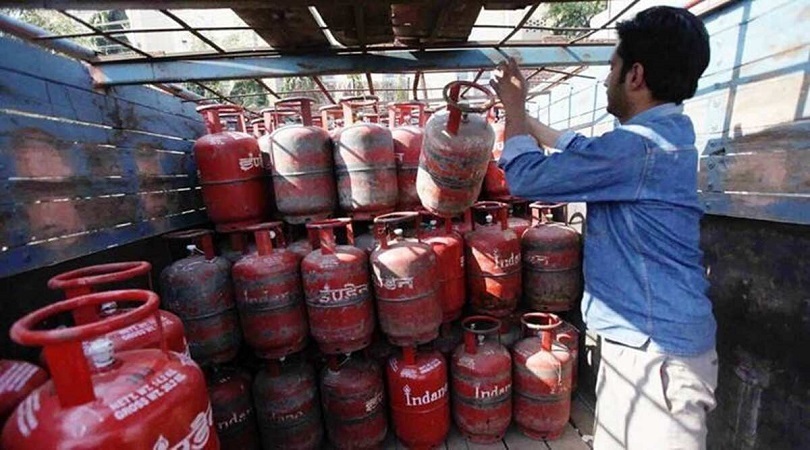
LPG Crunch Continues, Supplies Rationalised for Commercial Users
LPG supply crunch continued for the third straight week on Friday, but there was some easing in bookings for refills, a sign of things slowly crawling towards normalcy.
The News Flicker·March 20, 2026
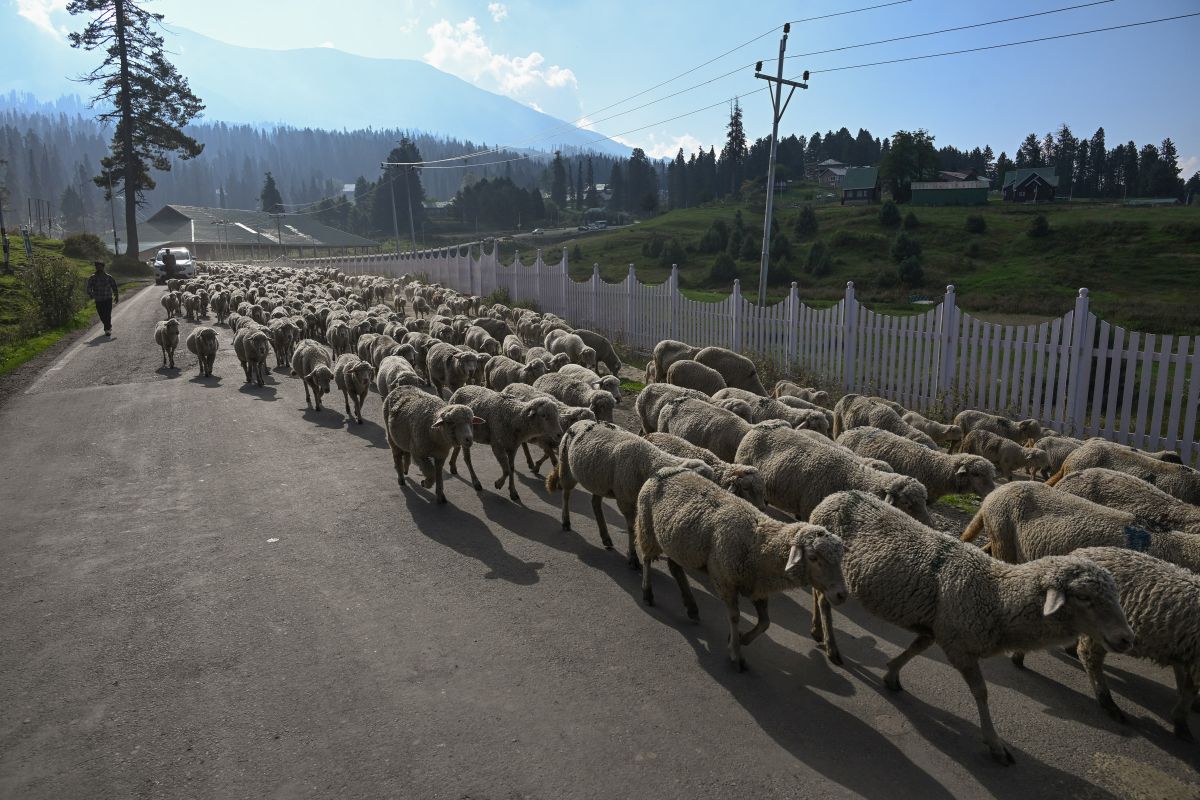
1.53 Lakh Sheep Transported To Kashmir In 30 Days
Over 1.53 lakh sheep have been transported to Kashmir from various states in the past 30 days ahead of Eid-ul-Fitr celebrations, marking a significant logistical operation.
The News Flicker·March 20, 2026